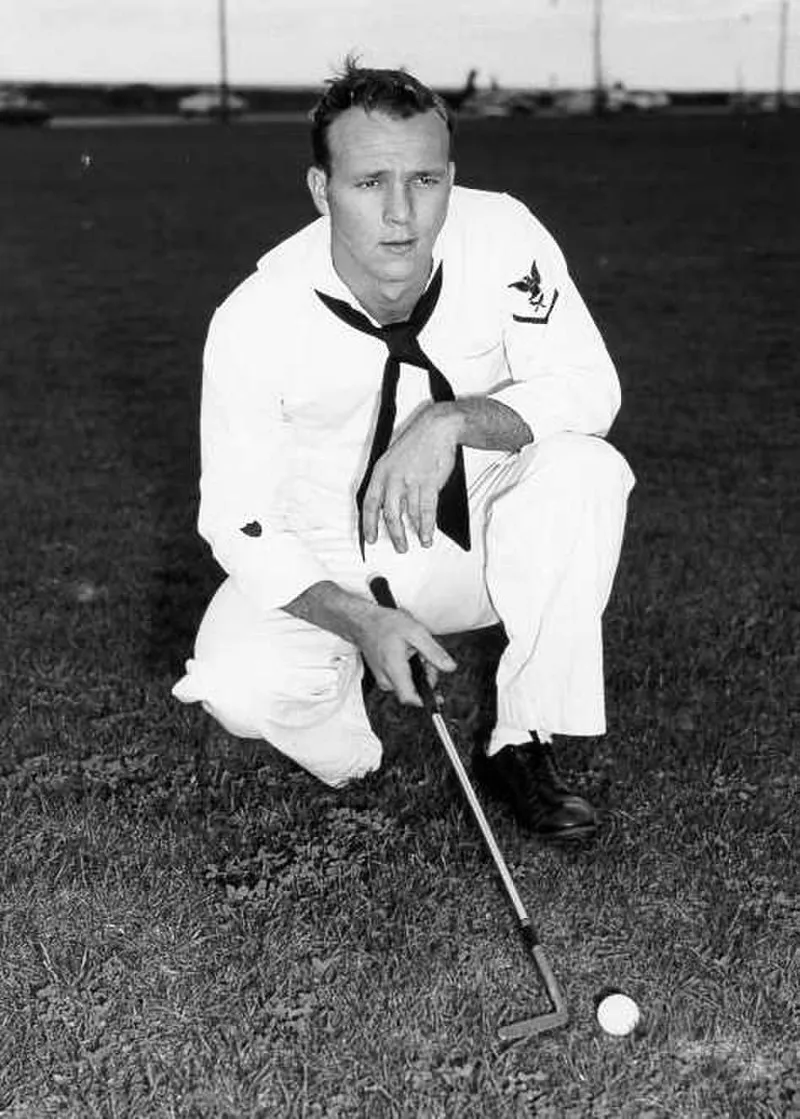
Arnold Palmer Net Worth 2026 - The King's Enduring Financial Dynasty
Arnold Palmer's financial legacy represents the gold standard for athlete brand building, with his estate valued at approximately $875 million as of 2026. The Pennsylvania native didn't just win golf tournaments—he revolutionized how professional athletes could monetize their popularity and transform personal charisma into generational wealth.
The Foundation: Tournament Earnings and Early Success
Palmer's on-course earnings during his prime playing years from the 1950s through 1970s totaled roughly $1.8 million in prize money, a substantial sum for that era but merely the foundation of his financial empire. His seven major championships, including four Masters victories, established the credibility that would later support his business ventures.
The real genius of Palmer's approach was recognizing that tournament winnings represented only a fraction of his earning potential. While contemporaries focused solely on competitive success, Palmer understood that his everyman appeal and magnetic personality could generate income streams far beyond the golf course.
The Endorsement Revolution
Palmer pioneered the modern athlete endorsement model, becoming the first golfer to earn more from sponsorships than tournament play. His partnership with Wilson Sporting Goods, beginning in 1954, evolved into a lifetime deal worth millions annually. The arrangement included signature golf clubs, balls, and accessories that bore Palmer's name and image.
His clothing partnerships proved equally lucrative. The Arnold Palmer golf attire line, featuring his distinctive umbrella logo, generated consistent royalty payments throughout his career and beyond. These deals established precedents that modern golfers like Tiger Woods and Phil Mickelson would later expand upon.
The Arizona Iced Tea Phenomenon
Perhaps Palmer's most brilliant business move was licensing his name for the Arnold Palmer beverage—a half-iced tea, half-lemonade mixture that became a cultural phenomenon. The drink, produced by Arizona Beverages, generates estimated annual revenues exceeding $200 million, with Palmer's estate receiving substantial royalty payments.
This partnership demonstrated Palmer's understanding of brand extension beyond traditional golf markets. The beverage appeals to consumers who may never pick up a golf club but associate Palmer's name with quality and authenticity. Industry analysts estimate the Arnold Palmer drink franchise alone contributes over $50 million annually to his estate's income.
Course Design and Real Estate Ventures
Palmer's golf course design company, Arnold Palmer Design Company, created over 300 courses worldwide before his death in 2016. These projects generated substantial upfront fees and ongoing revenue streams through maintenance contracts and licensing agreements. Notable designs include Bay Hill Club & Lodge in Orlando, which Palmer owned and operated until his death.
His real estate portfolio extended beyond golf courses to include residential developments, commercial properties, and hospitality ventures. The Arnold Palmer Regional Airport in Latrobe, Pennsylvania, bears his name and continues generating revenue through various business partnerships and licensing deals.
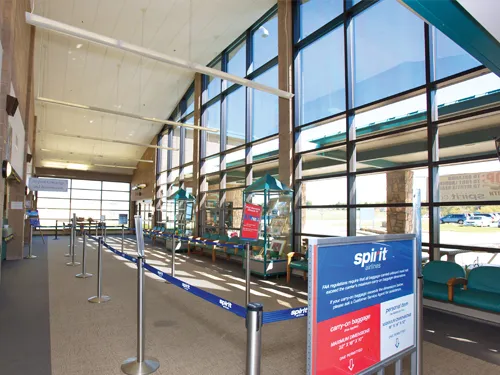 Photo: Arnold Palmer Regional Airport, via ktharchitects.com
Media and Entertainment Income
Palmer's television work, including golf commentary and instructional content, provided consistent income throughout his later years. His autobiography and instructional books generated substantial royalties, while documentary appearances and licensing deals for archival footage continue benefiting his estate.
The Arnold Palmer Invitational at Bay Hill, which he hosted annually, created additional revenue streams through sponsorship deals, hospitality packages, and media rights. Even after his death, the tournament continues generating income for his estate through various contractual arrangements.
Estate Management and Ongoing Revenue
Since Palmer's death in September 2016, his estate has been managed with remarkable efficiency, maintaining and expanding his brand value. The estate continues earning approximately $40-50 million annually through beverage royalties, licensing deals, course design royalties, and investment returns.
His family has skillfully preserved Palmer's brand integrity while exploring new revenue opportunities. Recent initiatives include digital content partnerships, merchandise collaborations, and international licensing expansions that keep the Arnold Palmer brand relevant for new generations.
The Latrobe Legacy
Palmer's ownership of Latrobe Country Club, his hometown course where he learned the game, represents both sentimental and financial value. The property serves as headquarters for Arnold Palmer Enterprises and continues generating revenue through membership fees, events, and tourism.
The club's transformation from a modest Pennsylvania course to a pilgrimage destination for golf enthusiasts demonstrates Palmer's ability to create value through personal connection and authentic storytelling.
Investment Portfolio and Business Ventures
Beyond golf-related ventures, Palmer maintained a diversified investment portfolio including stocks, bonds, and private equity investments. His business acumen extended to automobile dealerships, aviation companies, and various startup investments that provided steady returns throughout his lifetime.
His private aviation company, which he operated for decades, served both personal transportation needs and additional income generation through charter services and aircraft sales.
The Enduring Financial Impact
Arnold Palmer's approach to building wealth transcended traditional athlete earnings models. By focusing on brand authenticity, strategic partnerships, and long-term value creation, he established financial structures that continue generating substantial income years after his competitive career ended.
His estate's current valuation of approximately $875 million reflects not just accumulated wealth but ongoing earning potential. The Arnold Palmer brand remains one of sports' most valuable properties, demonstrating how authentic personality and strategic business thinking can create generational financial success.
Palmer's financial legacy serves as the blueprint for modern athlete entrepreneurship, proving that sporting success, when combined with business savvy and authentic brand building, can generate wealth far exceeding any tournament prize fund.