Inbee Park Net Worth 2026 - Seven Majors, One Olympic Gold, and a $20 Million Legacy Built to Last
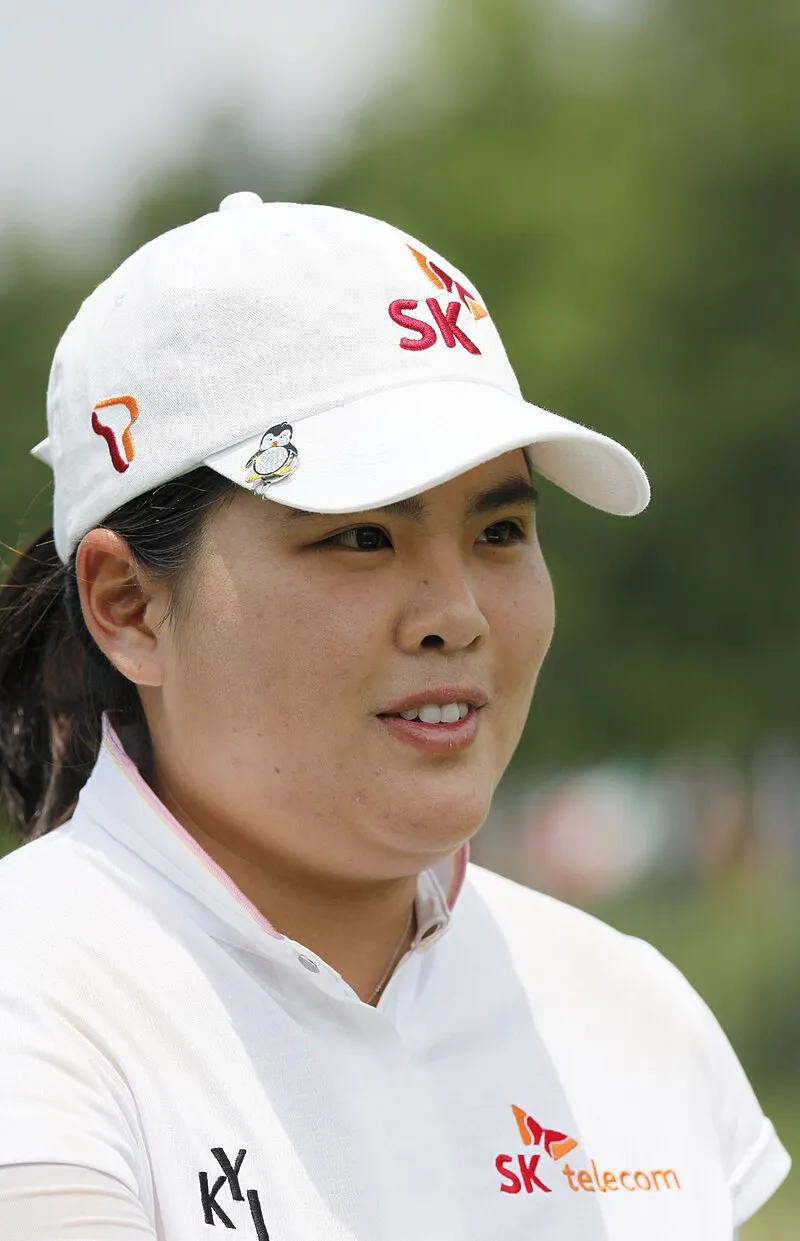
Photo of Inbee Park, via Wikimedia Commons
There is a particular kind of financial durability that belongs only to athletes who transcend their sport's immediate competitive cycle and become permanent fixtures in its historical narrative. Inbee Park occupies that rare category. The South Korean legend, whose career has produced seven major championships and an Olympic gold medal, has built a financial legacy that extends well beyond her active playing years. As of 2026, her estimated net worth stands at approximately $20 million — a figure that reflects not merely what she has earned, but how strategically that wealth has been constructed and sustained.
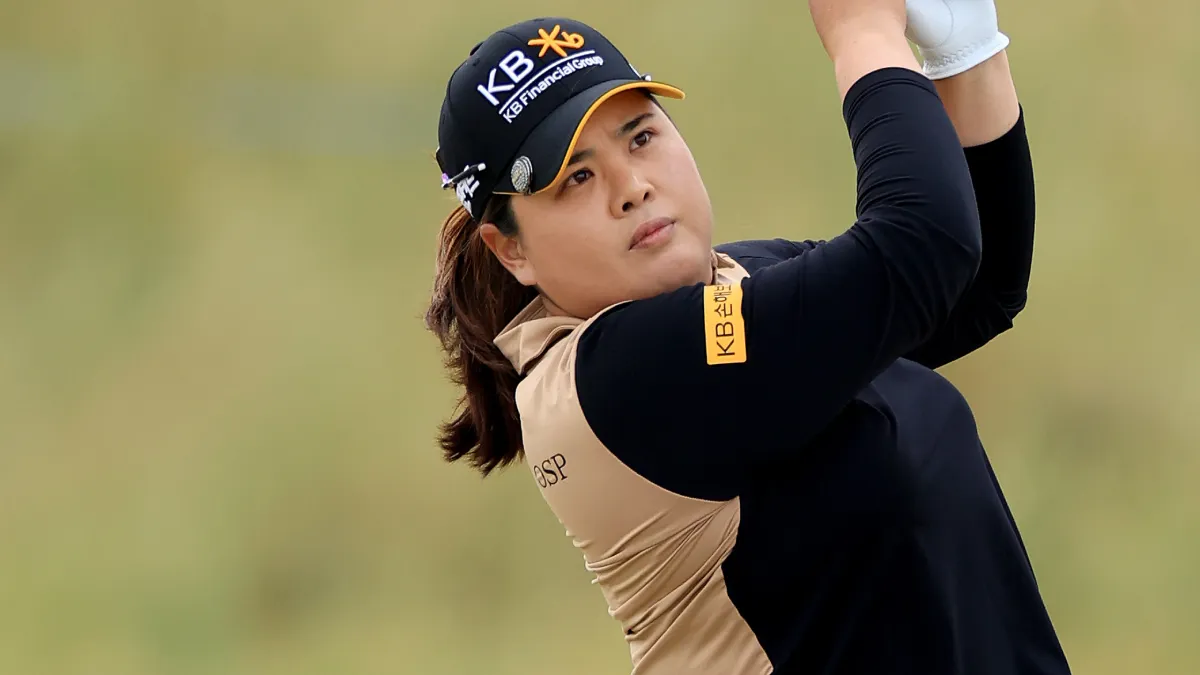 Photo: Inbee Park, via cdn.mos.cms.futurecdn.net
The Making of a Generational Champion
Park's story begins in Jeju Island, South Korea, where golf became her singular focus at a young age. She turned professional in 2006 and announced herself to the world almost immediately, winning the 2008 US Women's Open as a teenager — a performance of such composed brilliance that it served as a preview of the decade of dominance that would follow.
 Photo: Jeju Island, via wallpapers.com
Her peak years, roughly spanning 2012 through 2016, were among the most statistically impressive stretches any women's golfer has produced in the modern era. She won five major championships in that window, reached world number one status, and in 2016 captured the Olympic gold medal at the Rio Games — a moment that transcended golf entirely and elevated her to national icon status in South Korea. The commercial implications of that Olympic achievement were profound, reshaping her sponsorship profile and generating a wave of corporate interest that would sustain her commercial value for years afterward.
 Photo: Rio Games, via www.paralympic.org
LPGA Tour Prize Money: A Career-Long Accumulation
Park's career prize money on the LPGA Tour represents the most straightforward pillar of her financial profile. Through the end of 2025, her official LPGA earnings are estimated at approximately $15 million, placing her among the highest career earners in the tour's history. That figure encompasses not only major championship purses but also a sustained record of contention across a career spanning nearly two decades.
The structural evolution of LPGA Tour prize funds over the period of her career has worked in her favor. Total prize money on the tour grew substantially from her early professional years to the present, meaning that her later career victories and top finishes generated significantly larger checks than comparable performances would have produced in the 2000s. Her seven major titles alone account for a disproportionate share of her career prize money, given the premium purses that major championships carry.
South Korean Endorsements: The Commercial Core
For South Korean athletes of Park's caliber, the domestic corporate endorsement market represents a financial dimension that American audiences may underestimate. South Korea's largest corporations — spanning electronics, automobiles, financial services, and consumer goods — invest aggressively in athlete partnerships, and Olympic gold medalists occupy the apex of that endorsement hierarchy.
Park's relationship with Kia Motors, one of her most prominent long-term sponsors, exemplifies the scale of these arrangements. Kia's sponsorship of elite Korean athletes is a cornerstone of its global marketing strategy, and its association with Park — both as a golfer and as an Olympic champion — has carried multi-year value estimated at several million dollars in total commitment. Her additional Korean corporate relationships, spanning financial services and consumer brands, have contributed an estimated $2 to $4 million annually at the height of her commercial profile.
Globally, her equipment partnership with Ping has been a sustained relationship that reflects both her technical reputation as a precision ball-striker and the brand's commitment to association with elite women's golf. Equipment contracts at her level carry annual values estimated in the range of $500,000 to $1.5 million, with additional performance bonuses tied to major championship results.
The Olympic Premium: How the Gold Medal Reshaped Her Financial Profile
The 2016 Olympic gold medal warrants specific treatment in any financial analysis of Park's career, because its commercial impact operated differently from a major championship victory. Golf's return to the Olympic Games after a 112-year absence generated global media attention of a scale that no individual LPGA event could replicate, and Park's gold medal was the tournament's defining moment.
In South Korea, where Olympic achievement carries cultural weight that is difficult to overstate, the medal elevated Park from elite golfer to national symbol. The commercial opportunities that followed — expanded advertising campaigns, government recognition, and heightened media visibility — generated income and brand value that extended well beyond the 2016 calendar year. Industry analysts estimate the Olympic gold medal added a cumulative $3 to $5 million to her career earnings through the enhanced sponsorship value it produced.
Business Investments and Wealth Management
Park's approach to wealth management has been guided by advisors within South Korea's sophisticated sports management industry. Her investment activity, while not publicly detailed, is understood to include real estate holdings in South Korea — a market that has experienced significant appreciation in major metropolitan areas — as well as participation in business ventures connected to the golf and sports wellness sectors.
Her transition into the twilight of her playing career has also been accompanied by increased engagement with golf development initiatives, particularly in Asia, where her name and competitive legacy carry institutional weight. These activities, while not always generating direct income, contribute to the long-term brand equity that sustains endorsement income after competitive play concludes.
The Legacy Phase: Sustaining Income Beyond Active Competition
As Park's competitive schedule has moderated in recent years, the composition of her annual income has shifted. Prize money has become a smaller proportion of her total earnings, while legacy endorsements, appearance fees for select international events, and media engagement have taken on greater relative importance.
Among retired or semi-retired players of her stature, annual income from sustained commercial relationships — brand ambassadorships, corporate speaking engagements, and golf course appearances — commonly ranges between $1 and $3 million per year. Park's Olympic and major championship pedigree positions her at the upper end of that range, ensuring that her financial profile remains robust even as her tournament schedule contracts.
Net Worth in Context: A Legacy That Endures
At an estimated $20 million, Inbee Park's net worth reflects the compounding effect of sustained excellence, strategic commercial positioning, and the irreplaceable value of historic achievement. She is one of the most decorated women's golfers in the sport's history, and the financial architecture she has built mirrors that distinction.
For American golf fans accustomed to measuring wealth primarily through PGA Tour prize money, Park's story offers a broader perspective: that in global golf, the combination of major championship titles, Olympic glory, and culturally resonant identity can generate a financial legacy as durable as the competitive record itself. Inbee Park has earned both — and in 2026, the returns on that extraordinary career continue to accumulate.