Tiger Woods Net Worth 2026 - How Golf's Greatest Champion Built an $800 Million Dynasty

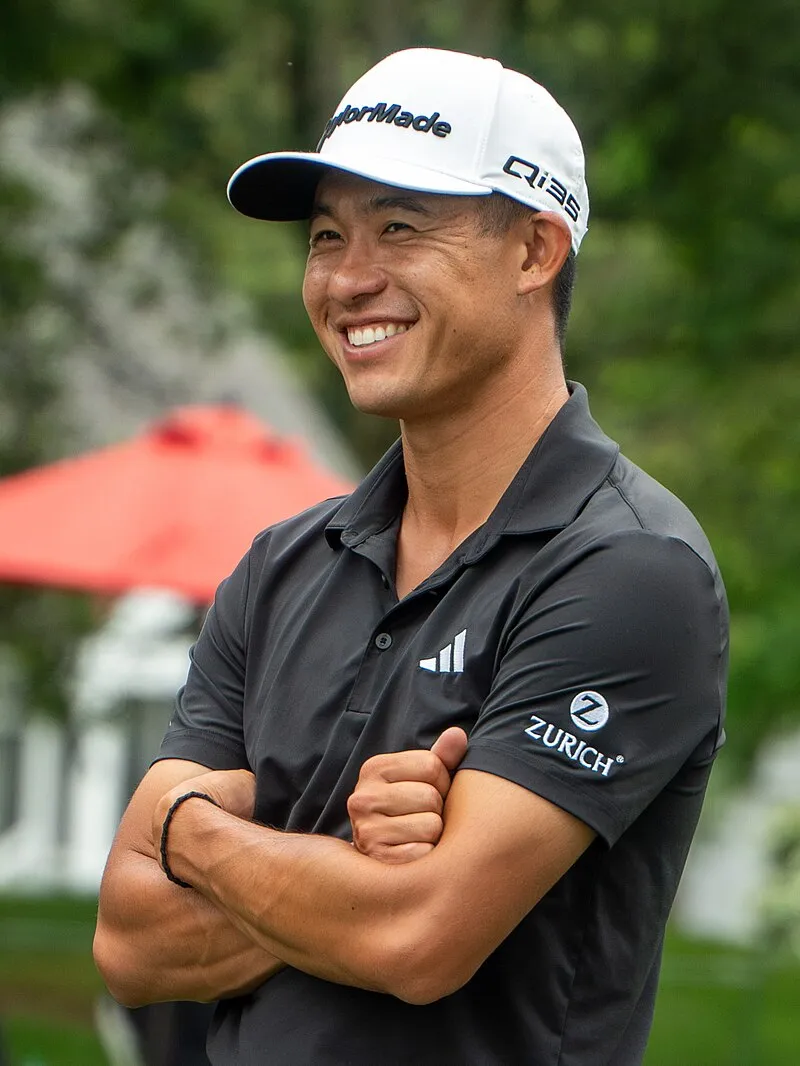
Photo of Tiger Woods, via Wikimedia Commons
Few names in the history of professional sports carry the financial weight of Tiger Woods. The California-born prodigy who won his first Masters Tournament at age 21 has, over the course of nearly three decades, constructed a wealth portfolio that dwarfs virtually every golfer who has ever lived. As of 2026, credible estimates place Tiger Woods' net worth in the range of $800 million, a figure that reflects not merely athletic achievement but a masterclass in personal brand monetization, equity accumulation, and long-range financial architecture.
To understand how Woods arrived at this number, one must examine the interlocking pillars of his financial empire — on-course earnings, transformative endorsement agreements, equity partnerships, media ventures, and real estate holdings that span multiple continents.
The Foundation: PGA Tour Prize Money
Woods accumulated approximately $121 million in official PGA Tour prize money over his competitive career, a record that stood unchallenged for years and still ranks among the highest in the sport's history. His 82 PGA Tour victories — tied for the all-time record with Sam Snead — generated consistent cash flow throughout the 1990s and 2000s, with peak earning seasons regularly exceeding $9 million in prize money alone.
While that figure is staggering in isolation, it represents only a fraction of his total wealth. For Tiger Woods, the golf course was always more of a marketing platform than a primary income source. The real financial engineering happened off the fairways.
The Nike Era: Golf's Most Lucrative Endorsement Deal
When Nike signed the 20-year-old Woods in 1996 for a reported $40 million over five years, the sports world took notice. What followed was one of the most commercially productive partnerships in athletic history. Over the ensuing two decades, Woods' Nike contract ballooned to an estimated $200 million total value, making it the richest endorsement deal in golf history at the time and one of the richest in all of professional sports.
The arrangement extended far beyond apparel and footwear. Woods became the face of Nike Golf's equipment line, its clothing division, and its broader aspirational marketing identity. When Nike exited the golf equipment business in 2016, the relationship contracted — but Woods remained a Nike ambassador, continuing to wear the brand's apparel on tour and in public appearances.
At its peak, Tiger's annual endorsement income exceeded $100 million per year, supplemented by deals with Buick, Gillette, EA Sports, American Express, and Tag Heuer, among others. Even following the highly publicized personal scandals of 2009, which cost him several major sponsorships, Woods rebuilt his commercial portfolio with remarkable efficiency.
TaylorMade: From Endorser to Equity Partner
Perhaps the most strategically significant financial move of Woods' post-scandal career was his transition from paid endorser to equity stakeholder. When Woods departed Nike Golf's equipment program and eventually aligned with TaylorMade, the arrangement was structured to include a reported ownership stake in the company — a deal model that transformed him from a compensated spokesperson into a genuine business partner with upside participation.
The precise terms of Woods' TaylorMade equity position have not been publicly disclosed, but industry analysts estimate his stake could be worth tens of millions of dollars, particularly given TaylorMade's strong revenue trajectory and the brand's market leadership in premium golf equipment. This shift from endorsement fees to equity represents a sophisticated evolution in how elite athletes structure commercial relationships.
Sun Day Red: Launching a Personal Brand
In 2024, Woods made headlines by launching Sun Day Red, a premium golf apparel brand developed in partnership with TaylorMade. The venture marked his formal departure from the Nike apparel relationship and his most direct foray into brand ownership. Sun Day Red positions Woods not as a paid face for someone else's label but as a co-creator with direct financial participation in the brand's commercial success.
The collection, distinguished by a tiger motif and premium positioning, launched with significant retail distribution and media attention. For Woods, Sun Day Red represents a long-term asset — a brand whose value compounds independently of his competitive schedule or physical health.
TMRW Sports and the Media Ownership Play
In 2022, Woods and fellow superstar Rory McIlroy co-founded TMRW Sports, the parent entity behind TGL — a technology-driven, indoor golf league broadcast on ESPN. The venture attracted substantial investment capital and broadcast rights revenue, positioning both founders as equity holders in what could become a significant media property.
Woods' involvement in TMRW Sports reflects a deliberate strategy: rather than simply appearing on television, he owns a piece of the infrastructure that produces golf content. As TGL has expanded its broadcast footprint and drawn viewership from both traditional golf fans and younger demographics, the enterprise's valuation has grown accordingly. Industry observers estimate Woods' stake in TMRW Sports could be worth $50 million or more depending on future broadcast and licensing arrangements.
Course Design and Real Estate Ventures
Woods has extended his brand into golf course architecture through TGR Design, his course design consultancy. Several high-profile projects, including Payne's Valley at Big Cedar Lodge in Missouri, have generated both design fees and lasting royalty arrangements. The Payne's Valley course, opened in 2020, was notable as the first public-access course Woods designed in the United States and drew immediate critical acclaim.
Beyond design fees, Woods holds significant real estate assets, including his primary residence and compound in Jupiter, Florida — a property valued in the range of $50 million and situated on prime waterfront land in one of America's most exclusive golf communities.
TGR Ventures and the Business Ecosystem
TGR Ventures serves as the umbrella holding company through which Woods manages his various business interests. The entity encompasses TGR Design, his charitable foundation (the TGR Foundation), media production activities, and commercial licensing. By consolidating diverse revenue streams under a single corporate structure, Woods has created a business ecosystem that generates income through multiple channels simultaneously.
His production company has developed content for broadcast and streaming platforms, and his personal documentary and media projects have attracted significant licensing fees. As demand for premium sports content has accelerated across streaming platforms, Woods' archive and ongoing story — including his remarkable comeback narrative following a near-fatal 2021 automobile accident — represents a content asset of considerable commercial value.
The Comeback Premium
Woods' 2022 Masters appearance, less than 14 months after suffering catastrophic leg injuries in a single-vehicle accident, generated global media coverage that no marketing budget could replicate. His continued presence in professional golf — even in a limited capacity — sustains the commercial relevance of his brand in a way that formal retirement would diminish.
Each appearance at a major championship, regardless of competitive outcome, commands appearance fees reported in the range of $3 million to $5 million at select international events. His Masters participation alone carries incalculable brand value, reinforcing associations with excellence, resilience, and competitive longevity.
The $800 Million Portrait
When the full ledger is assembled — career prize money, Nike's $200 million partnership, TaylorMade equity, Sun Day Red brand ownership, TMRW Sports stakes, course design royalties, real estate holdings, and ongoing media income — the $800 million estimate becomes not only credible but arguably conservative. Some analysts place Woods' total accumulated wealth closer to $1 billion when illiquid assets and future revenue streams are factored in.
What distinguishes Tiger Woods' financial story from those of other wealthy athletes is the deliberate architecture behind every major decision. From his earliest days as a professional, Woods and his advisors structured deals to include equity, royalties, and ownership stakes rather than one-time fees. That discipline, compounded over nearly 30 years, produced one of the most formidable personal fortunes in the history of professional sports.